Education for future generations: Metaverse Academy
- Ethan 劉呈顥

- May 1
- 7 min read
The first school in history
As a stronghold of education, the history of schools can be traced back to ancient times and originated from the needs of various civilizations for knowledge and education.
Among them, one of the earliest schools can be traced back to the Sumerian civilization 5,500 years ago.
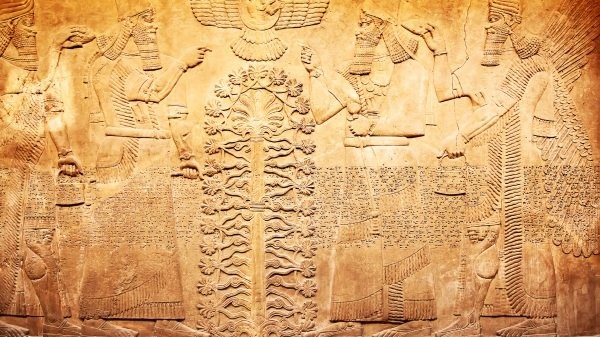
Image source: Adobe Stock
The Sumerian civilization has the oldest writing in human history. In order to cultivate talents who can read and write and serve the king, it established the world's first classroom.
The establishment of this education system marked the official emergence of the prototype of school as an educational institution.
Before the emergence of schools in ancient Egypt, education was the responsibility of the family, and professional knowledge and skills were taught through family inheritance.
For example, ancient Egyptian monks, scribes, architects, and even mummifiers trained their offspring in this way, making some professions hereditary industries in the family.
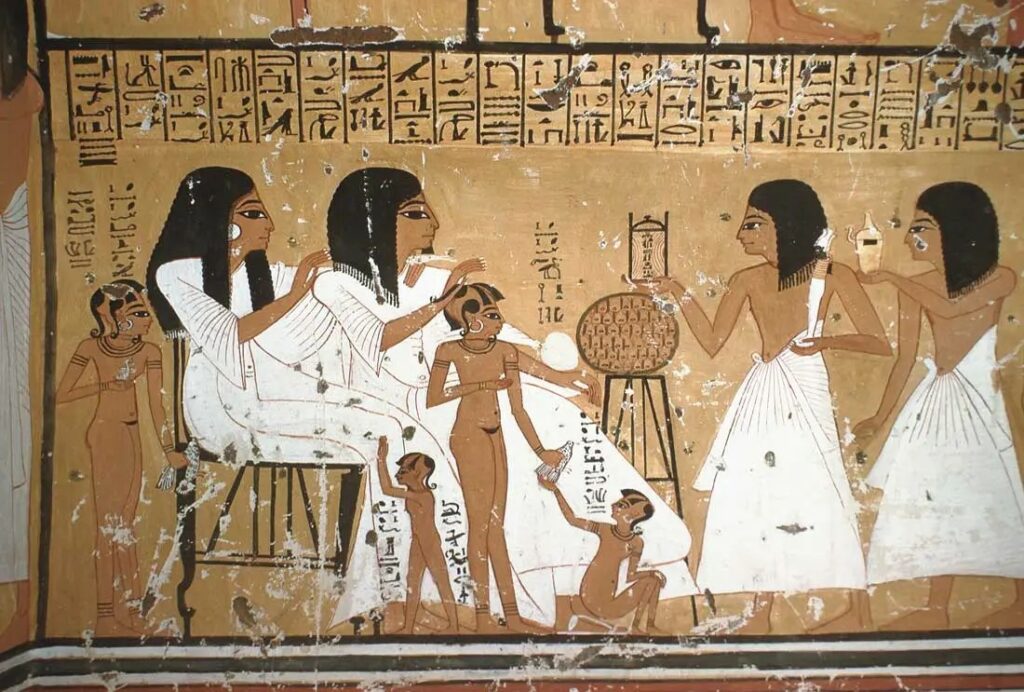
Image source: Baidu Encyclopedia
According to historical records, Egypt had palace schools in the late Old Kingdom, which were places where the pharaohs educated their princes, grandsons and children of nobles.
In addition to learning writing and calculation in the palace, these young nobles also served as interns in government departments to receive practical business training.
During the Middle Kingdom, government affairs became increasingly heavy and required a large number of officials, so government departments set up official schools to train them.
These schools all used officials as teachers and law as teaching, recruited children of nobles and officials, and had the dual tasks of cultural training and business training.
Over time, the form and function of schools have evolved and developed in different civilizations.
In ancient Greece, schools in various city-states focused on cultivating professionals in different fields.
Take the military kingdom of Sparta for example. They focused on training excellent warriors, and the school curriculum included military skills and physical training.

Image source: ryanhuang13.pixnet.net
Athens, on the other hand, focuses on cultivating the human spirit. Their curriculum covers a wide range of areas, including sports, music, and philosophy, aiming to fully develop students' potential.
In Taiwan, the first elementary school, Shilin Elementary School, was originally established for colonial education by the Japanese government.
The curriculum included not only basic subjects such as arithmetic and drawing, but also areas such as sumo wrestling and pig farming, aiming to cultivate diverse skills and knowledge to meet the needs of society at the time.
The existence of these early schools reflects the importance of education in different eras and civilizations and laid the foundation for the modern education system.
Schools not only provide a place for the transmission of knowledge, but also cultivate generations of students, contributing their talents and wisdom to their future and the development of society.
Changes in learning styles
In the past, education often focused on imparting specific knowledge and skills to students.
The teacher plays the role of a transmitter of knowledge in the classroom, while the students' main task is to remember and understand the information.
The benefit of this teaching method is that it can impart important basic knowledge, but it may also lead to students lacking initiative and creativity because they are mainly passive recipients of information.

Image source: pexels
However, modern education is gradually moving towards a more interactive and student-oriented approach.
Educators are increasingly recognizing that motivating and engaging students is a more effective way to learn.
For example, there is an educational organization in Taiwan, TFT, Teach for Taiwan.
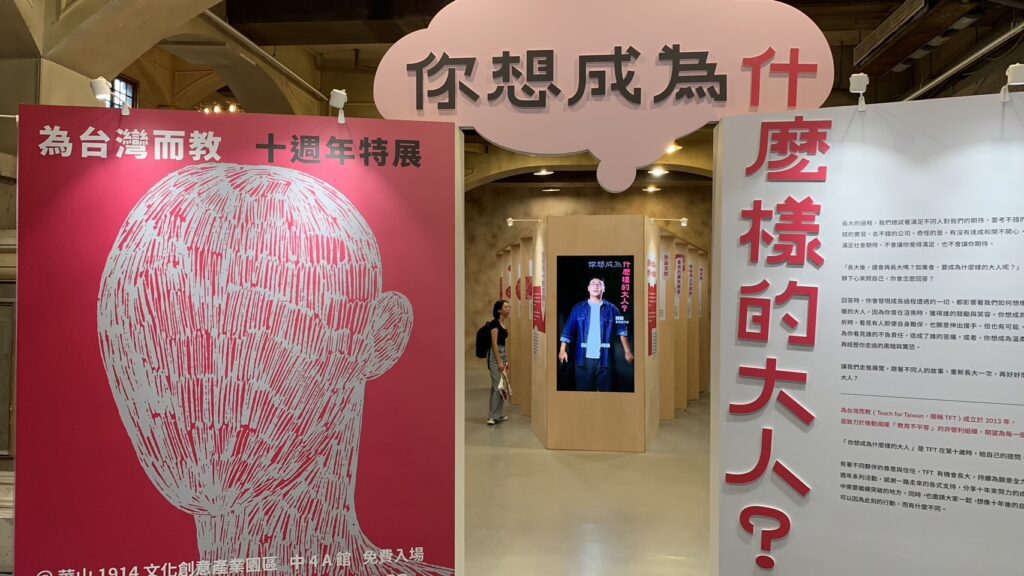
Image source: nspace field photography
In addition to going deep into remote areas to inject teaching energy into areas with fewer educational resources, we also begin to respond to children's learning needs through daily teaching.
Collaborate with school peers, parents and the community to respond to local educational challenges and jointly create a more diverse and high-quality educational environment.
Teachers are no longer just providers of knowledge, but mentors who guide students to think, solve problems, and cultivate their critical thinking and creativity.
Emphasis is placed on student participation, encouraging them to ask questions, discuss and share ideas, and to apply what they have learned through practice and projects.
In the future, teachers will no longer be the learning ceiling for students.
Metaverse Academy
Established in 1998, Ma Chan Tuen Hei Memorial College is a co-educational secondary school located in Tseung Kwan O, Hong Kong.
With the continuous development of educational concepts, the school is committed to building a "future-ready" campus. In 2022, the Metaverse Academy was established to focus on teaching knowledge and skills related to the Metaverse, aiming to help students find career opportunities in the virtual world to meet the rapid development needs of future society.。
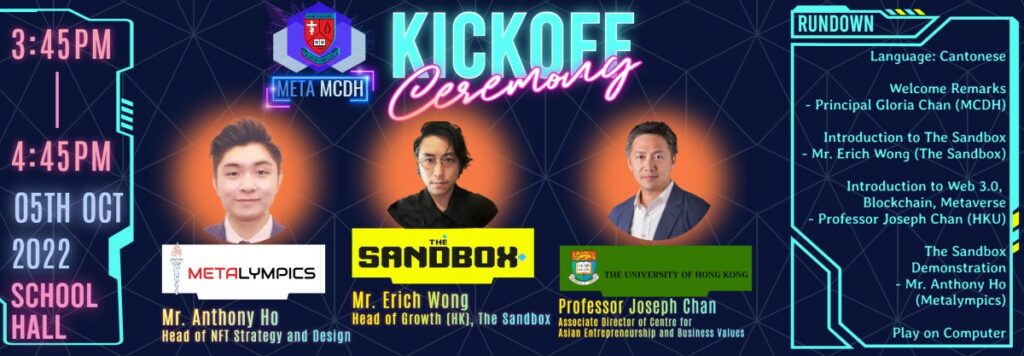
Image source: Ma Tan Tuan Hei Memorial Secondary School official website
Malaysia-China has established its own Metaverse Academy in The Sandbox, working together with various partners in Greater China such as HSBC, Ocean Park, MTR, Hong Kong University of Science and Technology, and Fringe Club to further expand into the fields of education, art, culture, and entertainment, and jointly create a new Metaverse Cultural Center to bring everyone a more diversified immersive experience.
Meta MCDH encourages students to embrace their interest in gaming and assists them in leveraging their strengths and translating into creativity to create their own games in the Metaverse.
Classes at Metaverse Academy are led by professional teachers and offer students the opportunity to create their own virtual campus and go on adventures such as cooking in a magical kitchen and battling monsters.
In addition to making games, students can also showcase their NFT works in a virtual gallery. This program helps students keep up with new technologies, improve their creativity, and develop their interests into potential future careers.
The Metaverse Education Project will work with different institutions and organizations, such as the University of Hong Kong, the Hong Kong University of Science and Technology, and The Sandbox to organize Metaverse Education Workshops for students to introduce students to what the Metaverse, blockchain, and Web 3.0 are; teach students to learn to use different software to create non-fungible tokens (NFTs) and virtual avatars; and teach students to create their own games on the Metaverse platform. Virtual exhibitions will also be held to showcase students' works, allowing students to unleash their creativity and cultivate an innovative spirit.
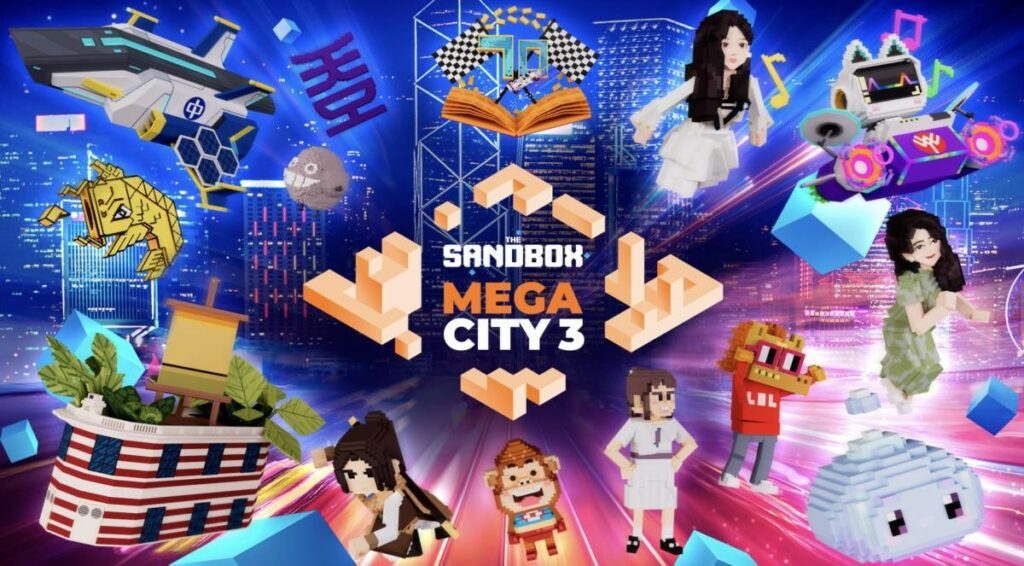
Image source: The Sandbox official website
That’s why virtual learning environments like The Sandbox become so important.
It provides a rich and varied learning experience that stimulates students' curiosity and motivation through interaction and exploration.
In The Sandbox, students can participate in creating and sharing virtual content, learning creativity, teamwork, and problem-solving skills.
This way of learning not only enhances students’ initiative, but also keeps them more engaged in the learning process.
Quanta Education NFT
During the 2022 pandemic, the Quanta Foundation launched an innovative research program.
The purpose of this program is to understand the situation of schoolchildren when they study online at home during the epidemic and return to school after the epidemic has eased. Unlike traditional questionnaire surveys, this time the foundation adopted a new method and conducted a large-scale field survey in the form of pictures.
In order to increase children's participation and interest, the research team carefully designed 5 pictures of learning environments and 5 line drawings of geometric shapes for children to choose from. This innovative testing method encourages children to use their creativity and makes the testing process more interesting.
At the same time, the Quanta Foundation worked with the National Taiwan University Center for Statistics and Education to collect more than 6,000 survey data from elementary and middle schools across Taiwan. These data were used to conduct a pre- and post-test analysis to identify the differences between students’ learning at home and at school.
Based on the results of this survey, Quanta Education Foundation created the "Epidemic Heart to Learning" NFT product.
The purpose of this product is to help teachers and parents better understand the different potential impacts that students exhibit in different learning environments.
For example, where classes are taught and how they are taught can affect students' interpersonal relationships, learning efficiency, and pace of life.
Most importantly, this research shows the possibilities that the metaverse brings to future education.
Perhaps in the future, we can use elements of distance learning and drawing and testing to build a virtual learning space.
In this space, students can experience outdoor situations on the screen, such as sliding down slides, swinging, or going into nature to take ecology classes.
By combining virtual reality (VR) and augmented reality (AR) technologies, teaching will no longer be restricted by time and space, which will bring new possibilities for the application of technology and creativity in education.
Conclusion
As a pioneer of the Metaverse, The Sandbox hopes to allow more players, creators, brands, and IP celebrities to join the Metaverse in the future and use the power of Web3 to provide education, social experiences, and activities.
As more and more people join The Sandbox, the platform’s global influence will continue to expand, bringing a brighter future for virtual creation and the development of virtual worlds.
If you are a brand that wants to expand into the global market, create brand voice and value, and combine online and offline marketing to create unlimited possibilities, you can contact nspace fan page.
nspace is a company that specializes in creating Web3 experiences for brands. We provide land sales/leasing and asset construction for The Sandbox, as well as marketing and planning for brands and products.
nspace has helped Shin Kong Life Insurance participate in MegaCity3’s land offering at The Sandbox, using Campbell as a Premium Asset, and will also launch its own The Sandbox experience this year.
If you want to learn how to operate Voxedit, learn how to design, build, and own your own assets in The Sandbox, you can click on the link below to watch more course content, become a metaverse designer, and explore The Sandbox together.
If you want to know more about Web3, you can join the nspace community:

Comments