The digital transformation of night markets: Web3 brings a new experience to night markets
- Ethan 劉呈顥

- May 1, 2025
- 5 min read
The origin of night markets
Night market, as the name suggests, is a market at night, and the origin of the market can be traced back to the Zhou Dynasty.
In the royal city of the Zhou Dynasty, the well-field system was designed, dividing the land into nine blocks, one of which was used as a market and was called "shijing". This is the origin of the term shijing.
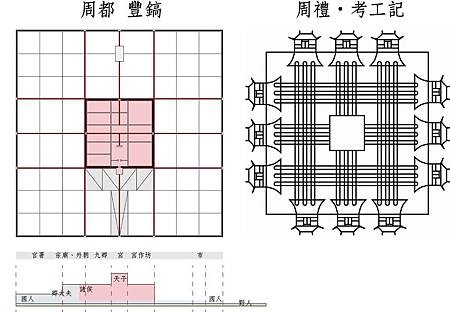
However, in ancient times, the business hours of markets were strictly regulated, opening and closing every morning and evening according to the regulations of officials. It was not until the late Tang Dynasty in Chang'an that the concept of night markets gradually emerged and became a bustling scene at night.
The culture of night markets was introduced to Taiwan during the Qing Dynasty and has continued to this day. Taiwan's early markets were mostly formed due to temple fairs or geographical factors, and gradually developed into market forms.
It first appeared in urban centers (such as Dadaocheng in Taipei), gathering many snack stalls and gradually forming night markets.
The unique culture of night markets
Taiwan's night markets originated from local snacks, which include oyster omelette, stinky tofu and various barbecue skewers. In addition to snacks, beverages are also a highlight of the night market. From bubble milk tea to snake blood wine, they can all be found in the night market. According to statistics from the Taiwan Tourism Bureau, about 70% of tourists visiting Taiwan will visit night markets.
How did this snack culture come about?
Yu Shunde, an associate researcher at the Institute of Ethnology of Academia Sinica who studies night market culture, said: "People go to night markets not just for snacks and shopping, but for the unique pleasure of consuming in a noisy, bustling, chaotic and crowded environment." "Bustle and bustle" obviously has an inspiring power in Taiwanese culture, which allows people to feel a kind of "energy" that flows and rises in the crowds and the surrounding environment. Going to night markets is to enjoy this atmosphere.圖片來源:Taipei City – Tourism Bureau, Ministry of Transportation and Communications website
Taiwanese snacks are usually sold on the roadside with small tables and stools, so you can sit down and enjoy them anytime, or take them away.
The trends of snacks are updated quickly, but some very distinctive and popular snacks, such as oyster omelette, fragrant chicken steak, grilled sausage, grilled corn, rice blood cake, pearl milk tea, sweet potato balls, shawarma, and stinky tofu can be found everywhere.
Some cities or night markets are famous for certain snacks, such as Tainan's danzai noodles and coffin boards. There are currently more than 300 night markets spread across counties and cities across Taiwan.

Image source: Taipei City – Tourism Bureau, Ministry of Transportation and Communications website
Night market form
In Taiwan, there are four main types of night markets, including tourist night markets, street night markets, shopping mall night markets and mobile night markets. The most common ones are tourist night markets and street night markets.
The tourist night market is transformed from an original street night market into a neat, orderly and well-planned tourist and leisure area under the guidance of relevant government agencies. These night markets combine local characteristics and become tourist hotspots that attract tourists, such as the Shilin Tourist Night Market in Taipei.
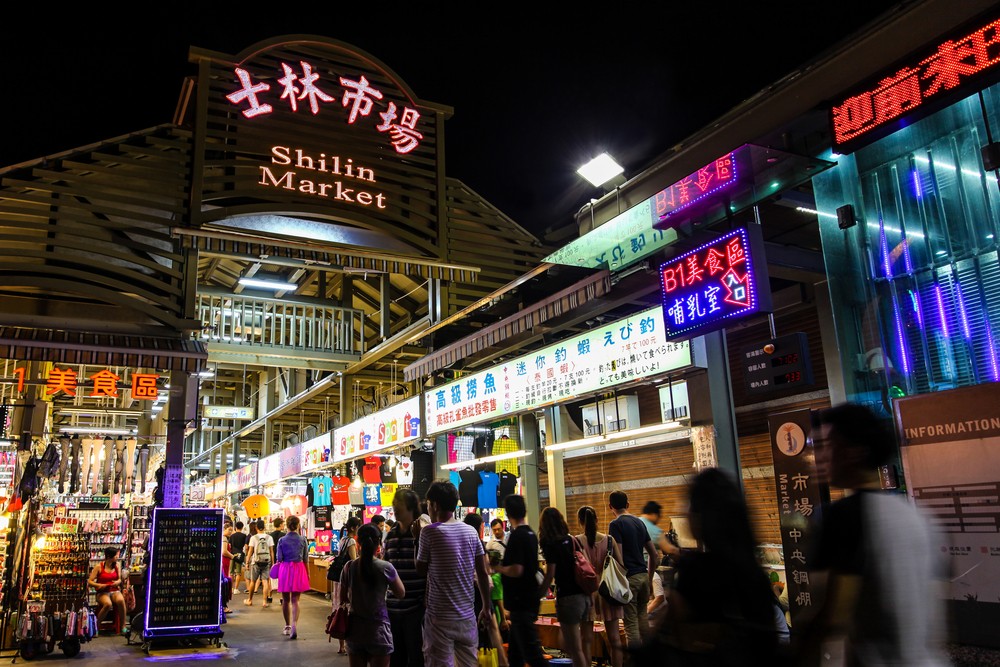
Image source: Taipei City – Tourism Bureau, Ministry of Transportation and Communications website
Street-side night markets, also known as business district night markets, are usually a model in which commercial districts extend their business hours at night. Merchants may own or rent stores, while there are also vendors operating roadside stalls. This type of night market is often located in bustling urban areas, such as the Shida Shopping District Night Market in Taipei.

Image source: Taipei Pictorial, August 2017, Issue 595
The evolution of night markets did not stop in ancient times, but has continued to change with the times. In recent years, with the advancement of technology and the integration of culture, night markets have entered a new digital world.
Night market transformation, Shida business district marches into Web3
In March 2023, "Taiwan Food DAO" cooperated with the National Taiwan Normal University Longquan Business District to start a new digital journey!
They integrated catering with the Web3 field and launched the night market NFT for the first time, which aroused enthusiastic response.
On Taiwan’s largest NFT platform “OurSong”, “Taiwan Food DAO” sold NFTs at a price of US$30 (approximately NT$840) each, and a total of 16 well-known snack shops participated.
These well-known brands include: Guangge Eel Pasta, Knight Go Chicken Steak, Mumukou Tea and Fruit Drink, Lantern Braised Food, Shiyuan Fried Chicken, etc.
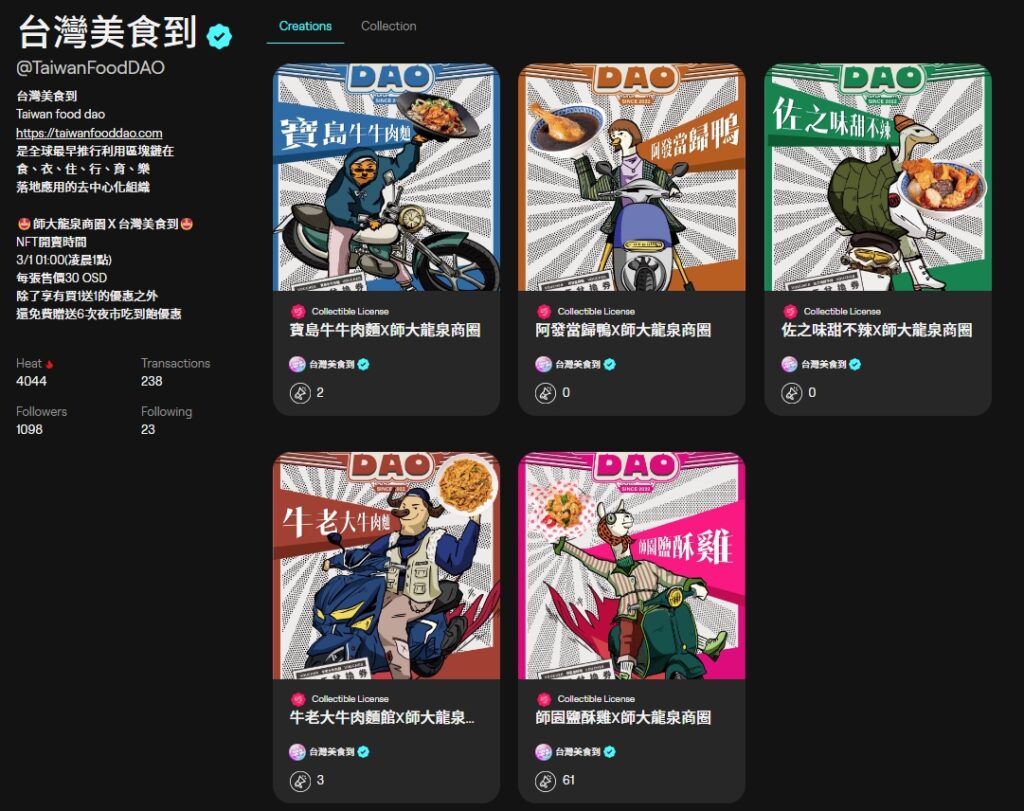
Image source: Our Song website
Each store will issue a limited number of 100 NFTs. Friends who hold NFTs can not only enjoy buy-one-get-one-free discounts, but also receive the honor of all-you-can-eat dining at more than 15 restaurants in the Longquan business district of Shida University.
Night market culture has been passed down for thousands of years. Under the traditional business model, many brands face many challenges in their survival. Through the power of NFT, brands can integrate the virtual and the real, allowing night market brands to exist permanently and gain a more solid foundation for development.
In addition, consumers who hold NFTs can enjoy the supreme enjoyment of "all-you-can-eat" at participating stores in the night market in the Shida business district on March 14, May 10, June 14, July 11, August 8, and September 13, 2023. Satisfy your taste buds, enjoy a digital food experience, and become a new generation of night market culture adventurer.
The night market's move into Web3 not only brings new business opportunities and potential to the National Taiwan Normal University business district, but also demonstrates the charm of night market culture in the digital age.
With the participation of more night market participants, the night market will continue to prosper in the virtual world in the future, bringing more surprises and experiences to visitors from all over the world.
Let us look forward to creating a vibrant and creative virtual night market culture together in the Web3 night market!
There is also a night market at The Sandbox
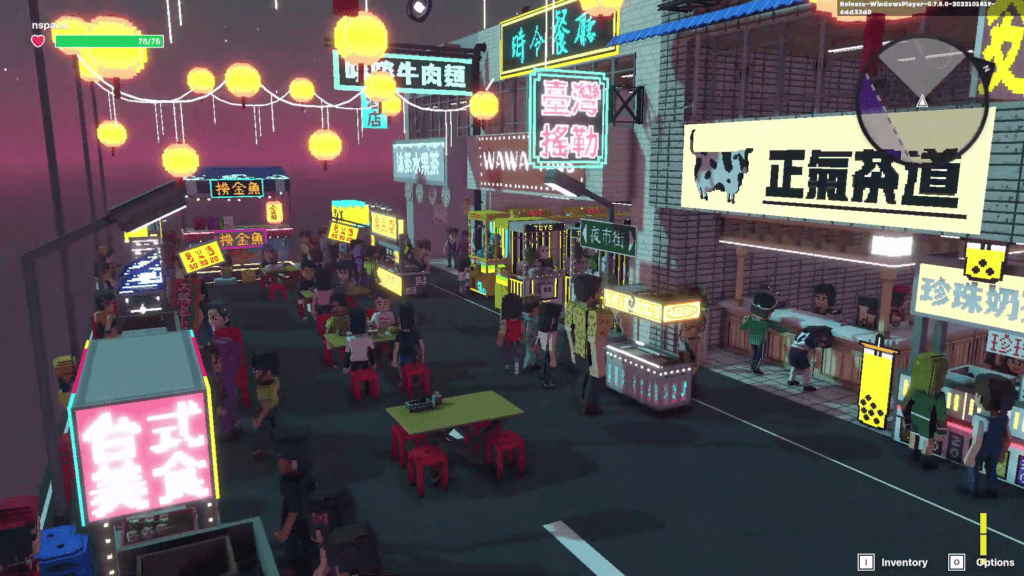
In order to showcase Taiwan’s unique culture, nspace took night markets as inspiration and created a night market scene with Taiwanese characteristics on The Sandbox, hoping to make night market culture a global trend that can bring smiles to people around the world, and allow night market culture to continue to exert influence in the modern digital world.
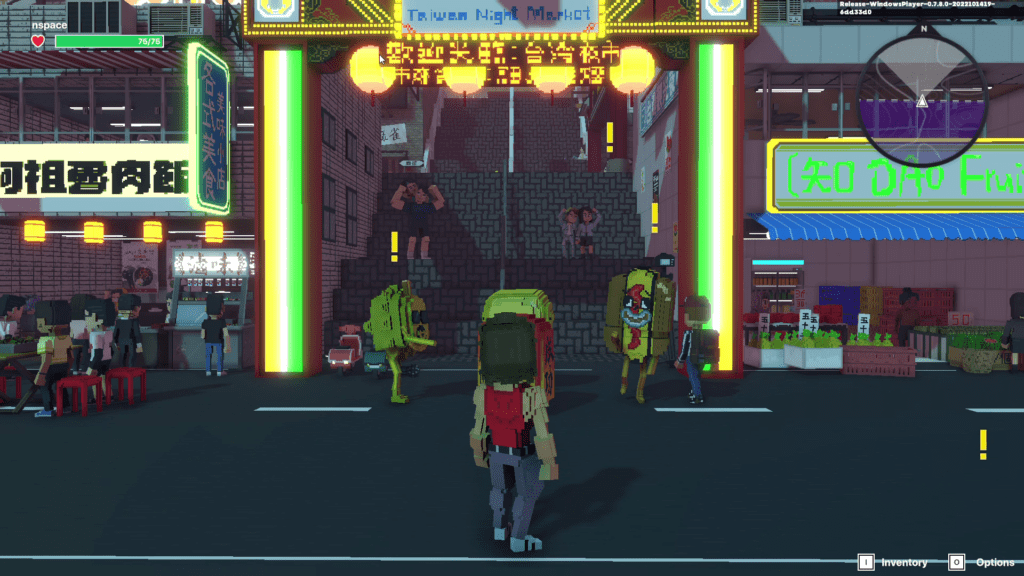
Because in The Sandbox we are no longer limited to real geographical locations, but can experience the night market through digital technology. The night market created by The Sandbox is filled with digital food stalls, performances, etc., allowing participants to enjoy the lively atmosphere of the night market in the virtual world and feel the fusion of different cultures.
Meanwhile, nspace has helped Shin Kong Life Insurance participate in MegaCity3’s land offering at The Sandbox, using Jinbao as a Premium Asset, and will also launch its own The Sandbox experience this year.
If you want to learn how to operate Voxedit, learn how to design, build, and own your own assets in The Sandbox, you can click on the link below to watch more course content, become a metaverse designer, and explore The Sandbox together.
If you want to know more about Web3, you can join the nspace community:

Comments