Virtual reality digital experience, the future of museums?
- Ethan 劉呈顥

- May 1
- 7 min read
What is a museum?
A museum, also known as a museum, is a building or institution that houses a collection of cultural relics.
The English word for museum is “Museum”, with the first half being “Muse” and the second half being “um”, which means the Hall of Muses.
This concept originated in ancient Greece. In ancient Greece, there were no museums as we know them today. The functions of museums during this period were to enshrine statues and sacred objects, hold sacrificial ceremonies, etc. In addition, there were already buildings similar to libraries in the city center of ancient Greece.
This situation can also be seen in China. Although China does not have the myth of the Muse, judging from the Forbidden City of the Ming and Qing dynasties, the emperors at that time attached great importance to literature and art. Especially during the Ming and Qing dynasties, the culture has a history of thousands of years, and the accumulated cultural relics from past dynasties are very rich. There are cultural relics almost everywhere in the Forbidden City.
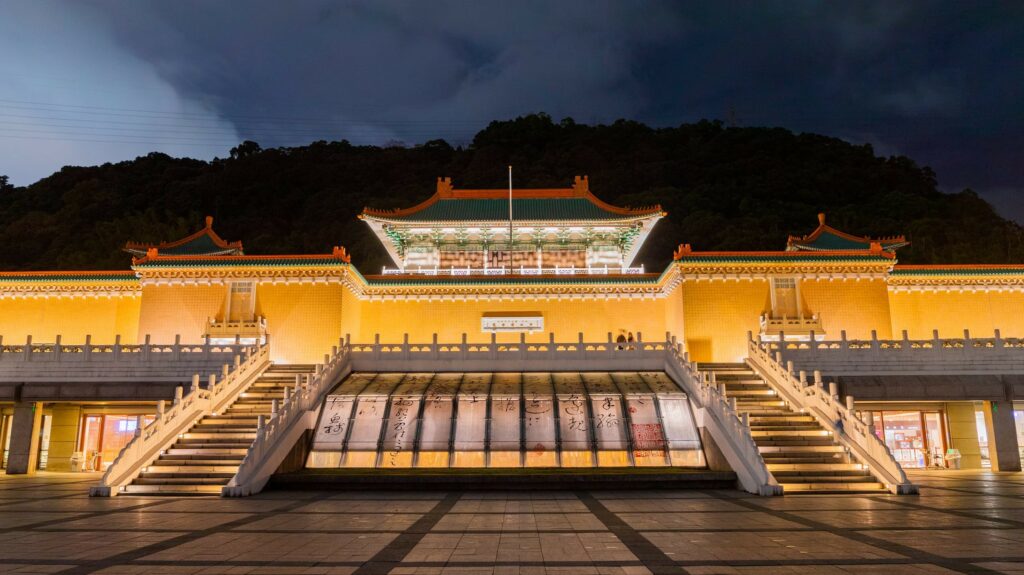
Image source: Expedia
Why do people come to museums?
A museum is a place dedicated to collecting and protecting physical objects of historical significance, cultural value and aesthetic excellence.
Through specific display methods, the museum connects various exhibits together to allow the public to better understand the messages behind these exhibits.
For adults, museums have become a platform for sharing their love of art. They show what they see and hear in museums on social media and share their experiences with others.
For families with children, museums provide a teaching venue where parents can take their children to gain a deeper understanding of historical relics and scientific principles and cultivate their ability to appreciate art.
Therefore, museums not only have exhibition functions, but are also places for education and entertainment, bringing knowledge and fun to the public. Generally speaking, a museum is an institution that combines collection, display, education, research and entertainment.
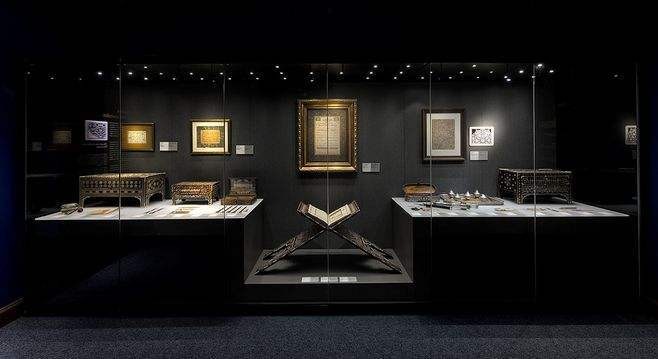
Image source: Internet
Functions of Museums
According to the needs of people coming to the museum, the functions of the museum can be summarized into the following four aspects:
1. Collection:
The museum houses artifacts that reflect the history of human civilization, works of art with aesthetic significance, paleontological remains that reveal the evolution of natural history, and products that represent scientific and technological progress.
These valuable collections bear witness to the trajectory of history and cultural diversity.
2. Research:
The museum uses professional institutions to conduct in-depth research on the objects in its collection to explore their history and value.
Such research not only enriches our understanding of the past, but also helps advance cultural and scientific progress.
3. Display:
By displaying these precious collections, the museum presents the rich and colorful history and culture to the public.
Through carefully curated exhibitions, people can immerse themselves in history, feel the beauty of art, and learn about the treasures of various cultures.
4. Education:
Museums play an important role in educating the public and provide general museum education for different groups of people and children of different ages.
Such educational activities make learning less boring, make knowledge full of fun, enable more effective use of museum collections, and cultivate the cultural awareness and creativity of the new generation.
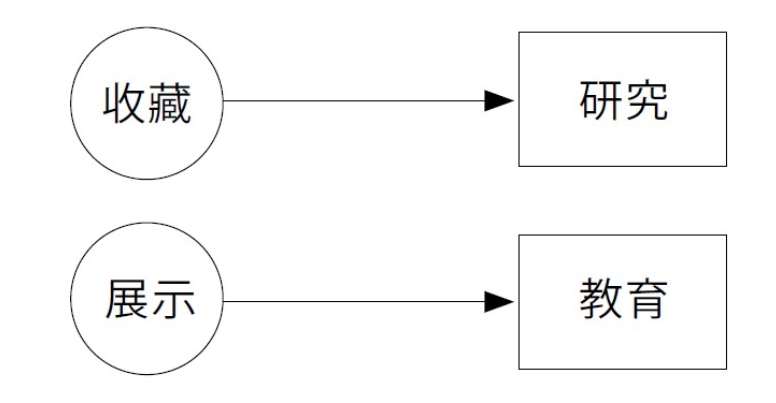
Among these four functions, research comes with collection. Without collections or collection work, research does not exist.
Similarly, education comes with display; without exhibits or display work, museum education does not exist.
Therefore, although research and education are derivative functions, it does not mean that they are unimportant. On the contrary, they may be more important than collection and display.
圖片來源:artouch.com
History of the Museum
The first museum was founded in Mesopotamia in 530 BC. It was planned by a princess who collected many Mesopotamian antiquities and arranged them neatly in her home. When archaeologists excavated this area, they found that each antiquity had a clay label written in three languages.
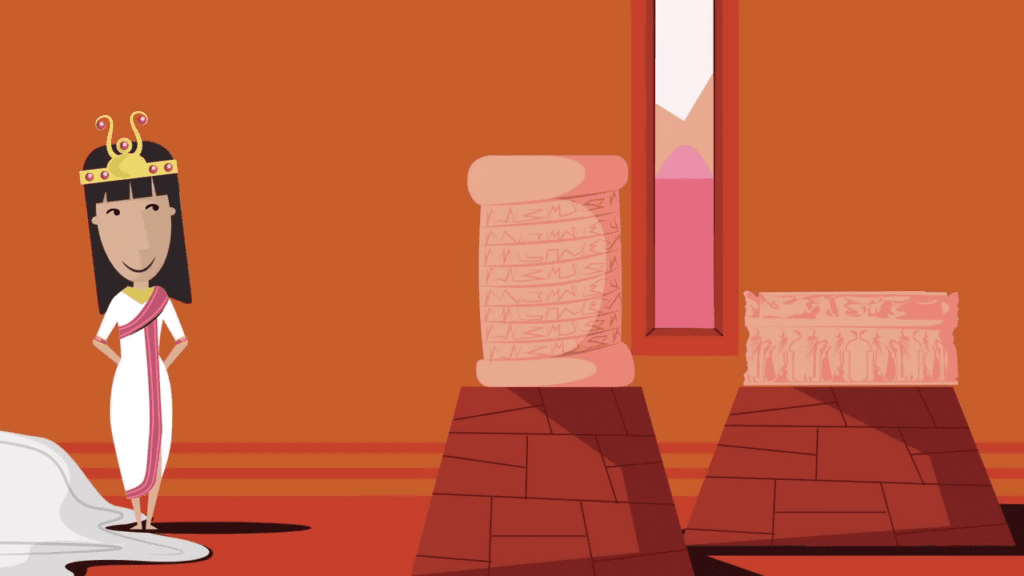
Image source: TED-ED Youtube
In the Roman Empire in 300 BC, many politicians and military strategists collected the spoils of war obtained by Alexander the Great of ancient Greece during his conquests in Europe, Asia, and Africa.
During the Renaissance, European royal families and aristocrats began to set up showrooms in their palaces to collect treasures, but they were only open to the nobility for visitors.
Early museums began as private collections of wealthy individuals, families, or art institutions, including rare or curious natural objects and artifacts.
It was not until the opening of the Louvre in Paris in the 18th century that for the first time in history a museum allowed people from all places and all social status to freely view the collections of the former French royal family.
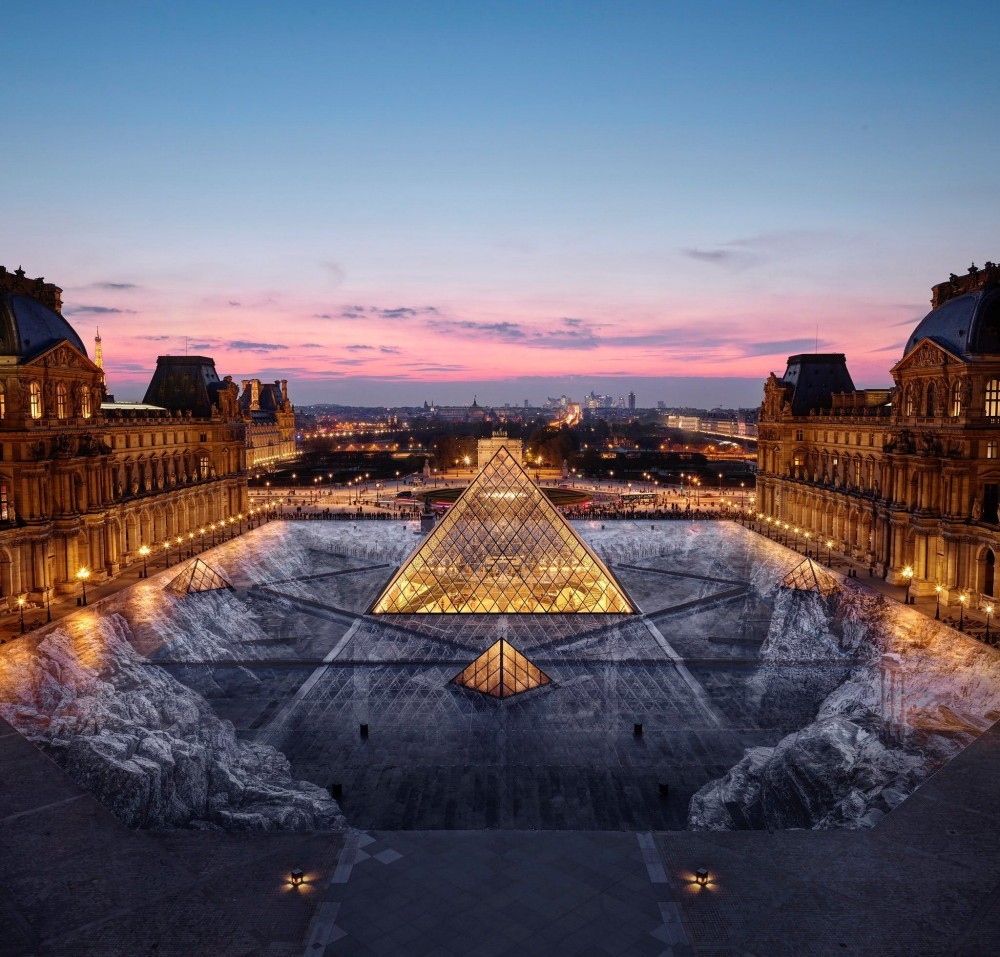
Image source: Internet
The Challenge of Modern Museums
One of the greatest challenges facing modern museums is “Who comes to the museum?”
In recent years, the rapid development of science and technology has made people's access to information more and more diverse. We can appreciate the picture of Mona Lisa's smile in the Louvre while sitting in front of the computer, and we can see Van Gogh's portraits on our mobile phones without leaving the house. In this case, why do we need to go to museums in person?
"Because the encounter between people and artworks is art itself."
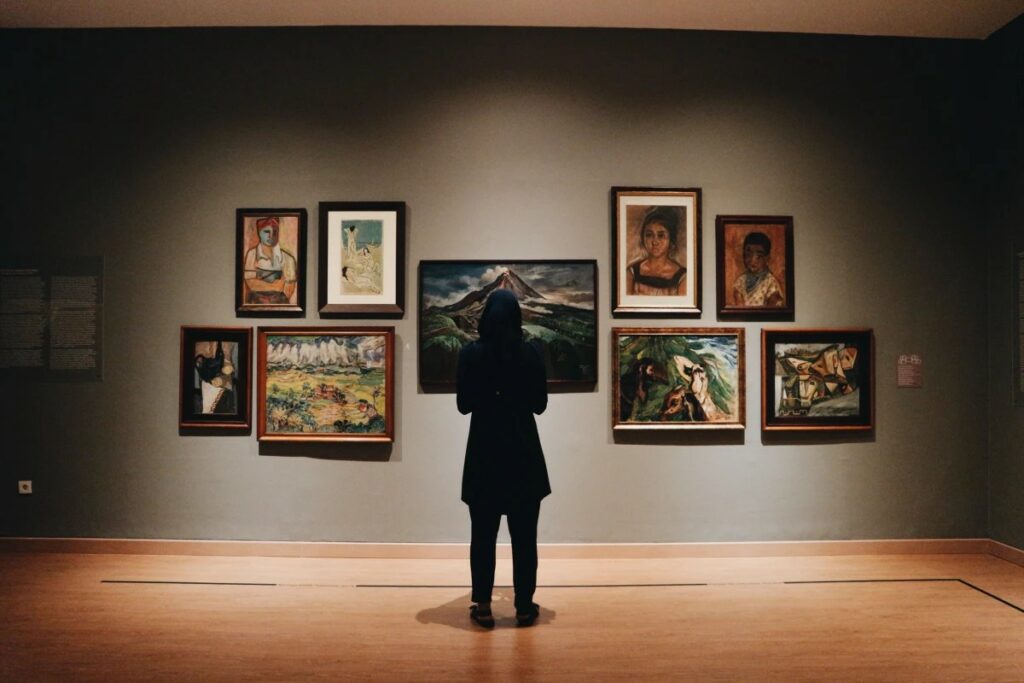
Image source: archziner.com
When you walk into a museum and meet the artworks face to face, the atmosphere created in the museum and the feeling of being there cannot be presented through computer media.
In a museum, we can feel the real size, texture, color and details of the artworks, an experience that cannot be replaced by electronic screens.
You need that artistic atmosphere, that feeling of being in it, and these atmospheres and feelings cannot be felt through pictures on the computer.
Similarly, in this digitally native age, museums are also beginning to launch immersive digital experiences.
The British Museum promotes the digitization of museums
In today's digital-native era, museums are increasingly aware of the importance of digitization to meet the needs of different audiences and provide a richer visiting experience.
To this end, some museums are actively working with technology companies to launch digital experiences that allow visitors to be immersive.
The British Museum in London is one of the pioneers in actively adopting digital technology. As a museum with a long history and extraordinary collections, the British Museum is well aware that relying solely on traditional exhibition methods can no longer meet the modern audience's demand for diversified display methods.
Therefore, they actively seek to collaborate with technology companies to combine traditional cultural relics with advanced digital technology to create a more attractive and interactive visiting experience.
For example, the British Museum has set up its own YouTube channel, showcasing and explaining a wide variety of artefacts.
In addition, their cultural relics and artworks are also displayed on the official website, and they have cooperated with Google to allow visitors to watch a variety of guided tours through the Google Arts & Culture platform.
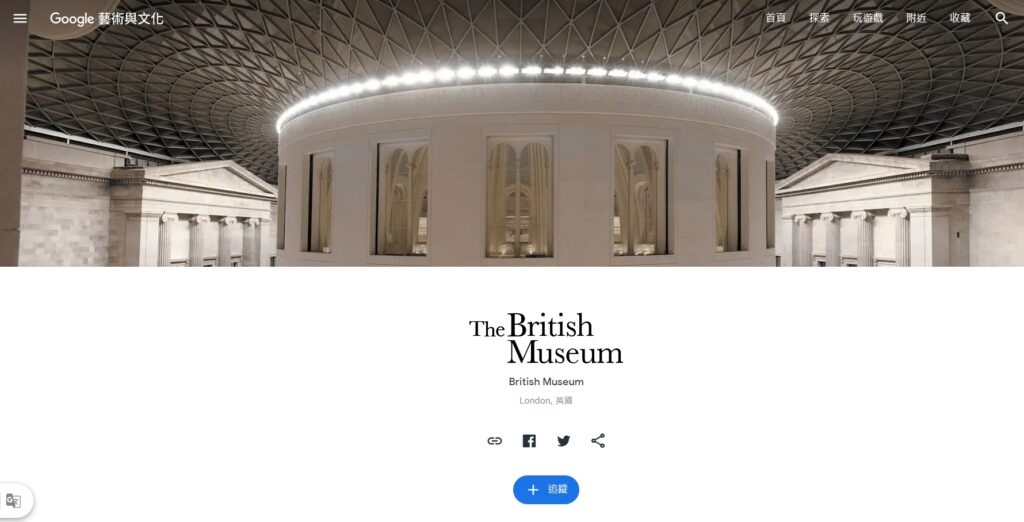
Image source: Google Art and Culture
With the rise of the concept of Web3, the British Museum has also followed the trend of the times and issued their NFTs, including the famous painting "The Great Wave off Kanagawa" by Japanese artist Hokusai Katsushika. The launch of this digital artwork further demonstrates the British Museum's positive attitude towards digitization and allows visitors to appreciate the charm of art in new ways.
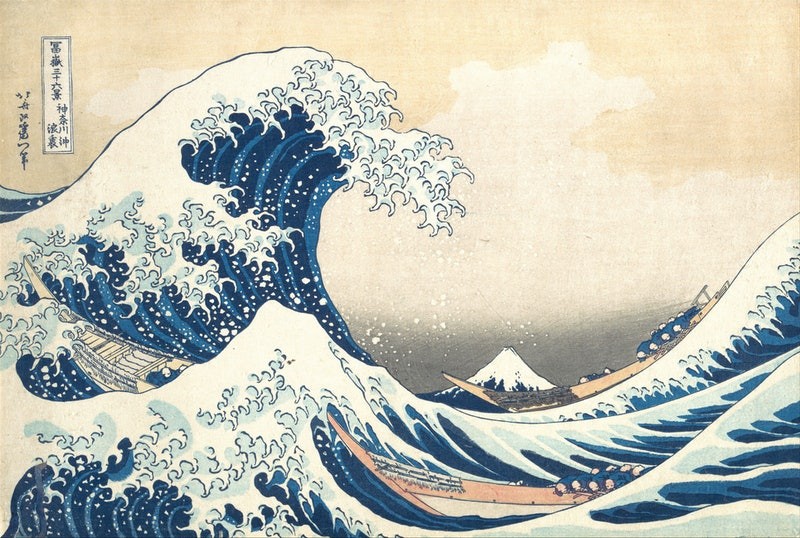
Image source: Hong Kong 01
Recently, the British Museum has cooperated with the well-known digital universe game platform The Sandbox, and worked with the British Museum's authorized partner, the French digital art startup LaCollection, to create a series of NFT (non-fungible token) digital collectibles.
This is not the first time the British Museum has collaborated with companies in the Web3 field, and we look forward to them launching a series of Web3 experiences in the future.
WMCC Metaverse Comics Museum
In 2022, nspace took the lead in establishing the WMCC Metaverse Comics Museum in The Sandbox, using the National Palace Museum in Taiwan as a template.
The WMCC Metaverse Comics Museum was established to meet the needs of all comics lovers. Located on a 3×3 piece of land in The Sandbox, the museum aims to become the leading comics gallery in the Metaverse. At present, the WMCC Metaverse Comics Museum has collected many well-known Hong Kong comics, including "Dragon Tiger Gate", "Young and Dangerous", etc.
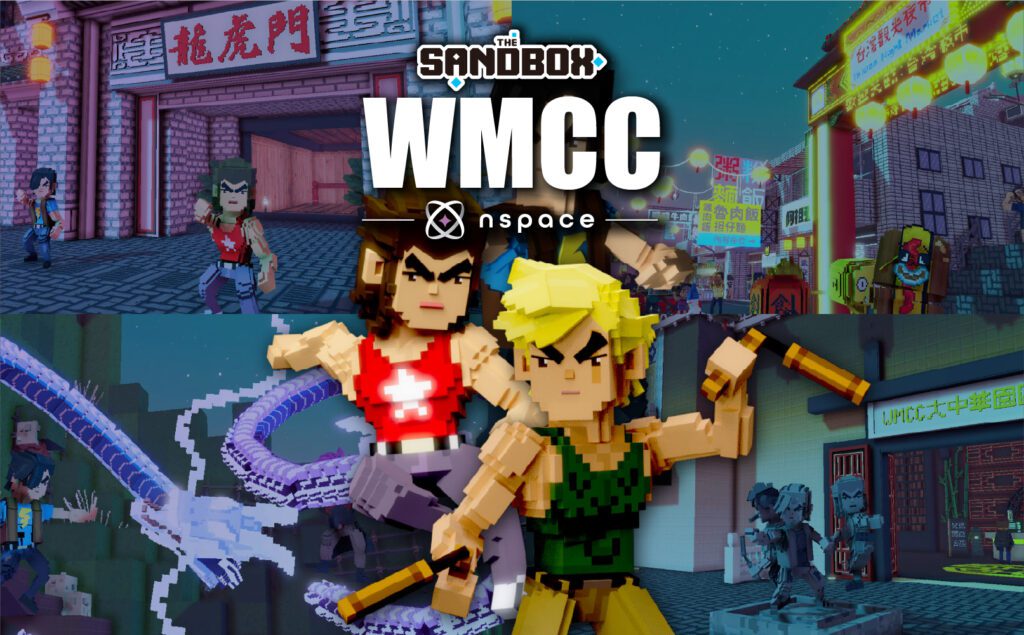
This Metaverse Comics Museum will provide comic fans with a rich and colorful digital experience, allowing them to appreciate many classic comic works in a virtual world. Without having to go to the physical museum, visitors can easily enter the WMCC Metaverse Comics Museum through The Sandbox platform and enjoy a new visiting mode. 。
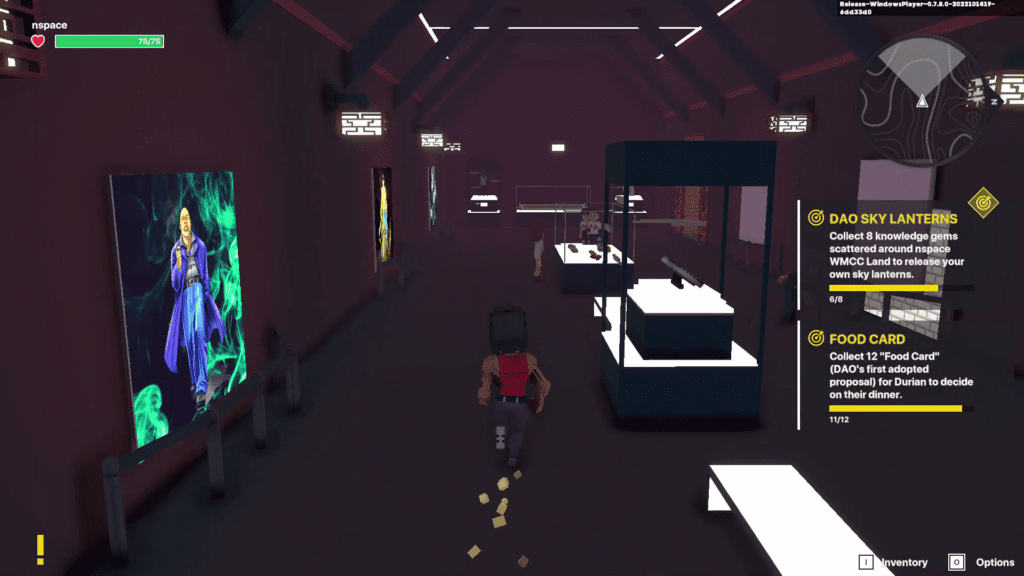
In addition to collecting well-known Hong Kong comics, the WMCC Metaverse Comics Museum will continue to expand its exhibits, including internationally renowned comics, independent comics, etc., to bring a more diversified comic experience to comic lovers.
As a pioneer of the Metaverse, nspace hopes to allow more players, creators, brands, and IP celebrities to join the Metaverse in the future and use the power of Web3 to provide education, social experiences, and activities.
If you are a brand that wants to expand into the global market, create brand voice and value, and combine online and offline marketing to create unlimited possibilities, please contact nspace ( support@nspace.media ).
nspace is a company that specializes in creating Web3 experiences for brands. We provide land sales/leasing and asset construction for The Sandbox, as well as marketing and planning for brands and products.
Meanwhile, nspace has helped Shin Kong Life Insurance participate in MegaCity3’s land offering at The Sandbox, using Jinbao as a Premium Asset, and will also launch its own The Sandbox experience this year.
If you want to learn how to operate Voxedit, learn how to design, build, and own your own assets in The Sandbox, you can click on the link below to watch more course content, become a metaverse designer, and explore The Sandbox together. The Sandbox Design Software VoxEdit Beginner's Guide
If you want to know more about Web3, you can join the nspace community:

Comments